
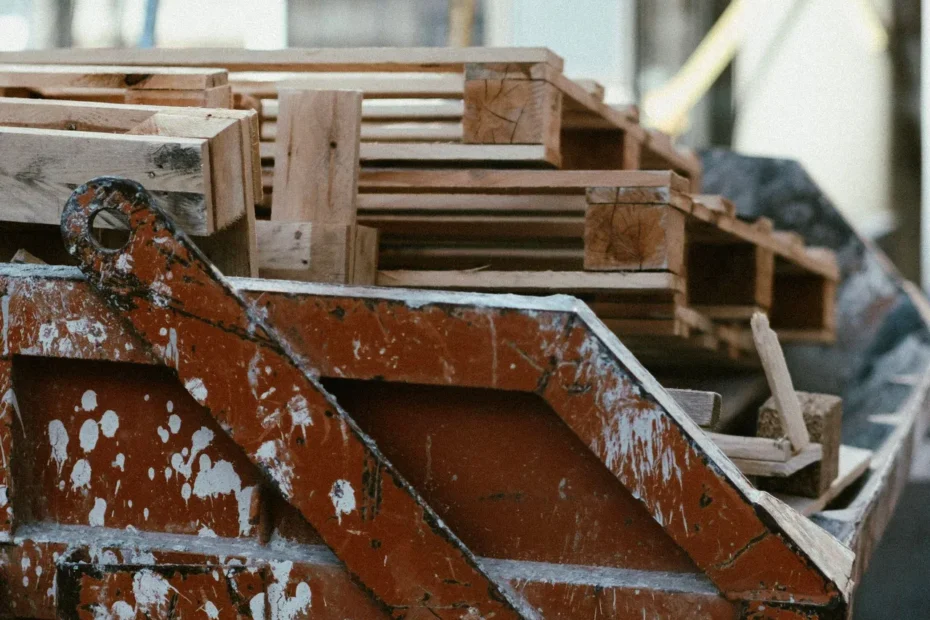
Every construction project creates some level of waste. That’s almost impossible to avoid. The bigger question is how much of that waste could have been prevented before the first delivery even reached the site.
Many people associate construction waste with demolition or leftover materials piled into skips. In reality, a surprising amount starts much earlier. A wrong measurement, a rushed order, materials sitting outside for too long, or a last-minute design change can all create waste that nobody planned for. The good news is that most of these problems aren’t complicated to fix. They usually come down to better planning.
Getting The Numbers Right From The Beginning
Ordering extra materials “just in case” has been common practice for years. It feels safer, especially when delays are expensive. But it often creates another problem. Materials that aren’t used don’t always make it to the next project. Some get damaged. Others become outdated or simply end up being thrown away. That’s one reason digital estimating tools have become so popular. Building Information Modelling (BIM) and quantity takeoff software help contractors work with much more accurate figures instead of rough estimates.
Perfect accuracy isn’t realistic on every project, but getting closer to the actual requirement makes a noticeable difference to both budgets and waste.

Buying Smarter Instead Of Buying More
Even though procurement is one of the most important aspects of sustainability, it doesn’t usually receive much attention. A great deal of needless waste may be avoided by working with vendors that comprehend project needs. Overstocking may be prevented more easily with flexible ordering, reliable delivery schedules, and return policies.
Occasionally, buying supplies and products that are ready for the task is also worthwhile. For instance, acquiring copper cut to size instead of buying bigger sheets that require extra cutting on-site may be advantageous for projects requiring specialised metal components. Less cutting usually means fewer offcuts, less handling, and fewer mistakes. It’s a small decision, but small decisions tend to add up over the course of a project.
Storage Matters More Than People Think
Construction sites are busy places. Materials arrive early, schedules change, and things get moved around constantly. Unfortunately, materials don’t always survive that process. Timber left exposed to rain can warp. Drywall absorbs moisture surprisingly quickly. Even metal products can be scratched or damaged if they’re stacked carelessly or moved too many times before installation.
Simple planning helps here. Covered storage areas, clear labelling, and deliveries timed around the actual construction schedule reduce the chances of perfectly usable materials ending up in the waste pile. There’s nothing innovative about good storage, but it’s still overlooked on many sites.
Prefabrication Is Changing the Conversation
Another noticeable shift over the last few years has been the growth of off-site manufacturing. Instead of cutting, adjusting, and assembling everything on-site, many components now arrive ready to install. That means less packaging, fewer mistakes, and far less debris scattered around the project.
Factories also have better control over material usage than busy construction sites. They can optimise cuts, reuse offcuts more effectively, and maintain consistent quality throughout production. It’s not the right solution for every project, but where it fits, the reduction in waste is difficult to ignore.
Communication Is Still One of the Biggest Challenges
Not every skip full of waste comes from damaged materials. Sometimes the waste is caused by poor communication. A revised drawing isn’t shared with everyone. A subcontractor works from an older version of the plans. Materials arrive before design changes are approved. Suddenly, work has to be removed and done again. Those situations cost far more than just materials. They affect labour, project schedules, client confidence, and overall profitability.
Regular coordination meetings and cloud-based document sharing have made these issues less common, but they certainly haven’t disappeared.
Waste Should Be Separated, Not Mixed
Recycling works much better when materials are sorted properly from the beginning. Wood, concrete, metal, plasterboard, and packaging all have different recycling routes. Once they’re mixed together, recovery becomes much harder and more expensive. Even something as straightforward as clearly labelled skips encourages better habits on-site. Workers are far more likely to separate materials if the process doesn’t slow them down. It’s one of those changes that’s inexpensive to introduce but often delivers noticeable results.
Better Planning Pays Off
Construction will probably never become a zero-waste industry, and that’s a realistic expectation. What has changed is the understanding that waste isn’t simply an unavoidable cost of doing business. By making better choices before work even starts, a large portion of it may be decreased.
The same results that is less waste, lower costs, and more seamless projects are produced by accurate estimates, cautious procurement, well-organised storage, improved communication, and practical site management. For businesses trying to improve efficiency, better planning isn’t another box to tick. It’s becoming one of the simplest ways to build more responsibly while protecting the bottom line.