
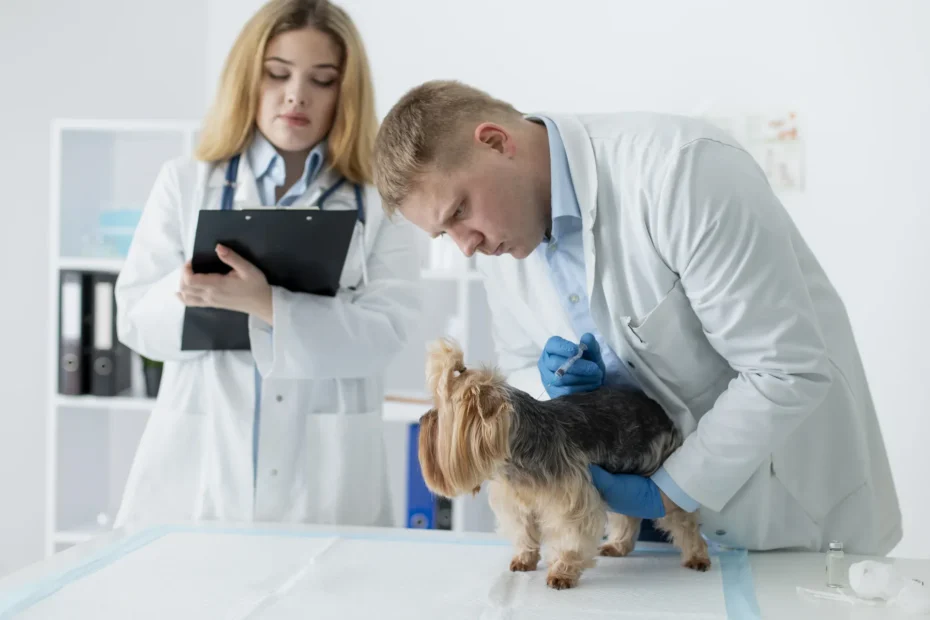
Most of us don’t think about the vet until something looks wrong. The dog stops eating, the cat hides under the bed for two days, and suddenly we’re booking an appointment. That’s understandable, but it means we often meet the vet at the worst possible moment, when the problem has already had time to grow. Preventive care flips that. The idea is simple: see your vet while your pet is doing fine, so small issues get caught while they’re still small.
Why a “healthy” pet still needs a checkup
Animals are surprisingly good at hiding discomfort. A cat with a sore tooth will often keep eating. A dog with achy joints may just seem a bit lazy. By the time the signs are obvious, the problem has usually been building for a while.
A routine exam gives your vet a chance to look at things you can’t easily check at home: the heart and lungs, the eyes and ears, the skin under the coat, the teeth at the back of the mouth. Even a small change in weight can tell them something. If you’d like a rough idea of what a checkup usually covers before you go, Nerovet has some easy pet health guides worth a look.
There’s another benefit that people overlook. Every visit adds to your pet’s record. A vet who has seen your dog at three, five, and seven years old can spot a trend that would be invisible in a single visit.
Vaccinations
Vaccines train the immune system to recognise certain infectious diseases before your pet ever meets them. Which ones your pet needs depends on age, lifestyle, and where you live. A cat that never leaves the apartment has different risks from a dog who goes to daycare, boards regularly, or spends weekends at the park.
That’s why a generic schedule copied from the internet isn’t a great idea. Your vet can tell you what’s actually worth doing for your animal and when boosters are due.
Parasites
Fleas are annoying, but they’re the mild end of the scale. Ticks can carry infections, heartworm is serious and often expensive to treat, and intestinal worms can quietly drain a young animal’s health.
Prevention is far easier than treatment here. The right product depends on your pet’s species, weight, and local conditions, so ask your vet instead of grabbing whatever is on the shelf. Some medications made for dogs can be dangerous for cats, which is a mistake that happens more often than you’d think.
Teeth
Dental problems are one of the most common issues vets see. Plaque hardens into tartar, the gums get inflamed, and eventually it can cause real pain or even tooth loss. Many pets have some degree of dental disease by the time they’re a few years old.
Watch for bad breath that doesn’t go away, drooling, chewing on one side, or dropping food. Brushing at home helps if you can get your pet used to it, and your vet can tell you when a professional cleaning makes sense.
Food and weight
Extra weight creeps up slowly. Nobody notices a few hundred grams a month, but over a year it adds strain to joints and makes other conditions harder to manage. Being underweight is a warning sign too.
Weighing your pet at each visit, or even at home every so often, is one of the easiest habits to build. If you’re not sure how much to feed, or your pet has special dietary needs, ask your vet instead of guessing from the label on the bag.
Needs change with age
A puppy or kitten needs a run of vaccines and lots of guidance. An adult pet mostly needs consistency. Senior animals often do best with more frequent checkups, since age-related changes can develop quickly and are much easier to manage when caught early.
So preventive care isn’t just something for the first year. It’s a habit that changes shape as your pet gets older.
What you can do at home
You see your pet every day, which makes you the best early-warning system they have. Pay attention to how much they drink, how they move, whether their appetite has shifted, and what’s going on in the litter box or on walks. If something feels off, call your vet. Waiting to see if it “sorts itself out” is rarely the better choice.
It also helps to keep a simple note of vaccine dates, flea and worm treatments, and any medications. A phone note works fine.
Where to read more
If you want to keep learning about pet health, sites like Nerovet are a handy place to browse. Reading up is a good way to arrive at the clinic with better questions, though it should never replace your vet’s advice. Nerovet and similar resources are best used as a starting point for those conversations.
The short version: you don’t have to wait for a problem. A little attention now, and regular visits to a vet you trust, can save your pet a lot of discomfort later and save you a lot of worry.