
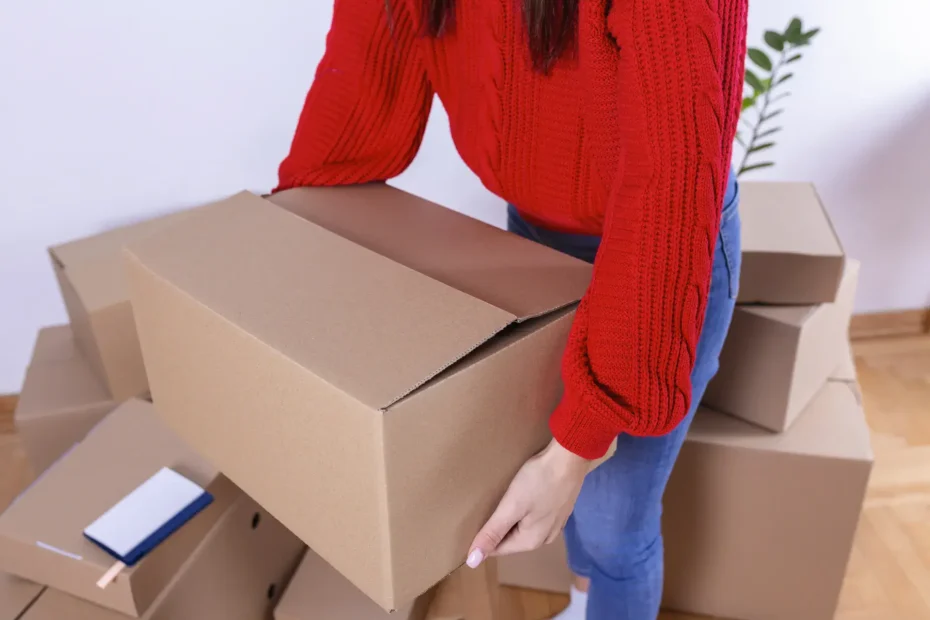
A cookbook, wool sweater, ceramic cup, and bottle of skincare can all belong in one family parcel, yet they cannot share the same protection. Each material reacts differently to pressure, moisture, friction, and odor. For route-specific information, senders can review https://us.meest.com/services/service/delivery-to-united-kingdom before deciding how to arrange every category for delivery to the UK. The goal is to stop one object from becoming a risk to everything packed beside it.
A practical method is to make a quick compatibility map. Group the contents by what they could leak, scratch, crush, stain, or absorb, then reserve a clear area for each category.
Which Items Should Be Kept Apart Inside the Box?
Compatibility matters more than convenience when several materials share one parcel. Liquids belong away from paper, textiles, and electronics, even when every cap appears secure. Place bottles in leak-resistant bags with absorbent material inside, then position them where surrounding weight cannot press on the closures. Cosmetics and scented products need similar treatment because fragrance may transfer to books or clothing.
Heavy household goods require a low, stable position. Books, kitchen accessories, and boxed tools can form the base, but their edges must not touch ceramics, frames, or soft retail packaging. A rigid divider stops one category from sliding into another.
Buckles, decorative fittings, exposed connectors, and small tools may scratch polished surfaces or tear fabric. Cover sharp points and keep unfinished metal away from pale textiles.
Food should remain in its own clean area, especially when the parcel also contains clothing or documents. Use permitted, shelf-stable products in sealed commercial packaging, and isolate anything oily, strongly scented, or easy to crush. This separation also makes delivery to the UK easier to document because each group can be described independently.
Paper materials need a dry, flat space with support above and below. Do not bend documents around rounded objects or place them beside bottles. Once these compatibility issues are resolved, the parcel is ready for a simple identification system.
What Should You Label on Mixed-Content Parcels?
Once each category has its own place, the recipient needs a quick way to recognize it. Prepare the labels before closing the inner bags and cartons, and keep the wording consistent with the contents note:
- item numbers — assign a short number to each bundle and repeat it on the written inventory;
- fragile markers — identify cartons containing ceramics, glass, framed objects, or delicate decorations;
- liquid notices — mark sealed bags with bottles, cosmetics, or other permitted fluids;
- category names — use clear terms such as books, textiles, kitchen accessories, or gifts;
- opening order — note which section should be removed first and which one needs careful handling.
This system makes unpacking more controlled and helps the recipient notice whether a small bundle is missing. It also supports a clearer record for delivery to the UK because each category has one name and one location.
Attach labels to the protective layer rather than directly to valuable covers, fabrics, or polished surfaces. A few readable markers are more useful than many warnings.
How to Create Separate Protective Sections?
Think of the interior as a small shelving system rather than one empty space. The strongest group forms the base, rigid panels define the boundaries, and lighter contents fill the upper or side areas.
Small inner cartons work well for irregular shapes. They stop handles, corners, and detachable parts from entering nearby spaces, while corrugated cardboard panels keep those cartons from shifting.
A vertical compartment may suit sealed bottles if their design allows upright placement. Put absorbent material inside the secondary bag so any spill remains limited to one area. Keep the compartment away from paper and electronics.
Books and documents benefit from a flat module with rigid support on both sides. Volumes of similar size can share the space when their edges are aligned, while loose papers should sit inside a folder or sleeve.
Keep pale fabrics away from dark leather, unfinished wood, and metal fittings, and place embroidered pieces in smooth inner bags. Clothing can occupy narrow gaps after the main structure is stable.
Check each module before closing the parcel. Press gently on the divider, lift the box from different sides, and listen for movement. If one area shifts, correct that section instead of adding filler everywhere.
A well-organized interior makes delivery to the UK easier to manage because every category has a clear position, name, and removal order. After the contents are arranged, customers can use Meest-America to submit delivery details online, select a suitable drop-off location, and monitor progress from one account. Combining a clear internal layout with accessible status updates helps the parcel reach the recipient without turning unpacking into guesswork.