
UK product startups face an uphill battle when trying to match the sheer scale of overseas manufacturing. But many local businesses are finding new ways to succeed by focusing on agility instead of volume. Continue reading to see how British hardware brands are winning this battle.
Why UK Startups Can’t Compete on Scale
UK product startups can’t compete on labour cost with Chinese factories. Trying to match their prices on high-volume production is a losing battle. Shipping goods across the ocean takes weeks, and customs delays can stall a launch. This traditional route often drains a young company’s cash reserves before they even sell their first unit.
Instead of committing to massive production runs, clever businesses are turning to local production. They focus on speed, customisation and being close to their market. This allows them to launch products with minimal capital and adapt to demand in real time.
The Speed Advantage of Local Production
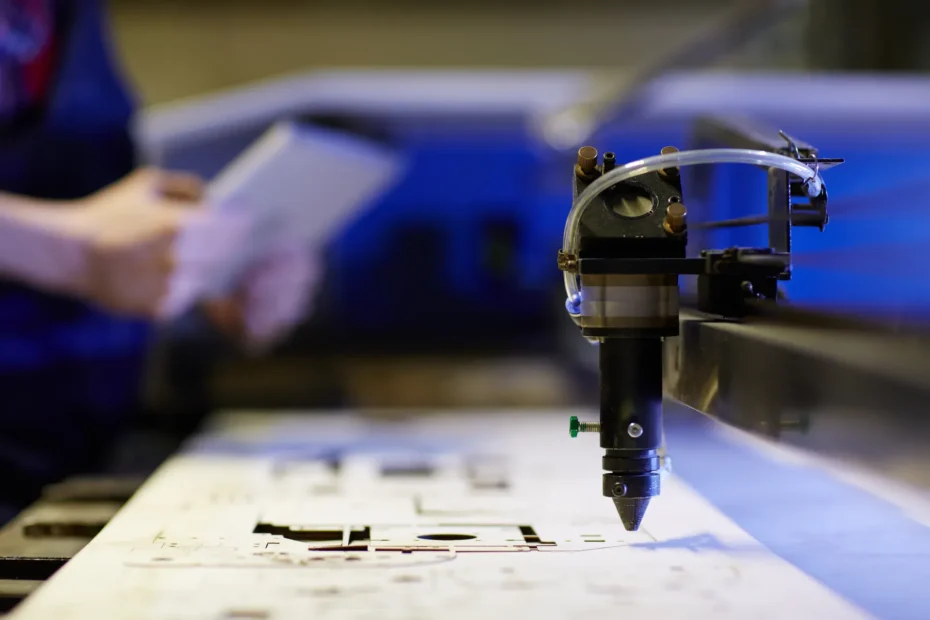
Digital fabrication methods have changed how physical products are designed and made. By using local professional CNC laser cutting services, a business can turn a digital design into a physical product in a matter of hours. This allows them to iterate rapidly based on customer feedback without waiting weeks for samples.
Traditional manufacturing requires expensive tooling and moulds before the first unit can be made. Digital fabrication bypasses this entirely. Startups can cut sheet materials like acrylic and wood directly from CAD files, meaning there are no upfront tooling costs. This makes small-batch production viable for even the smallest budget.
By working with a domestic supplier, a UK startup can receive their parts within a few days. If a customer wants a custom size or a personalised engraving, the startup can adjust the digital file and cut the new part immediately. An overseas supplier simply can’t match this level of responsiveness.
How Small Batches Reduce Business Risk
Holding large amounts of stock is a massive risk for any new business. If a product doesn’t sell, the startup is left with a warehouse full of useless inventory and no cash. Sourcing from overseas forces businesses to buy in bulk to justify the shipping costs, which ties up valuable working capital.
Local digital fabrication allows startups to adopt a just-in-time manufacturing model. They can hold minimal stock and manufacture products as orders come in. It’s worth pointing out that this keeps cash flow healthy and allows the business to pivot if market demands shift. It also means they don’t have to pay for expensive storage space in the UK.
How Local Sourcing Cuts Carbon and Cost
Modern consumers are increasingly aware of the environmental cost of shipping goods across the globe. Buying products that are made locally appeals to those who want to reduce their carbon footprint. By manufacturing in the UK, startups can proudly market their goods as British-made, which often justifies a premium price.
Furthermore, being close to the production line allows founders to maintain strict quality control. If a batch has an issue, the founder can speak directly with the engineers to resolve it. This is much easier than trying to solve a quality issue over email with a factory eight time zones away. It builds a stronger relationship between the designer and the maker.
Where Agility Beats Scale
Competing with giant overseas factories on price is a battle that UK startups don’t need to fight. By using digital fabrication, small brands can turn their size into an advantage. They can launch products faster, customise them for individual buyers, and keep their cash flow free from heavy inventory costs.
Ultimately, the future of UK manufacturing lies in being nimble. While overseas factories will always dominate mass production, local startups can win by being closer to their customers and responding to their needs in real time. It’s a shift that’s redefining what it means to be a British maker.