
The Islamic calendar is used for a lot more than just knowing when Ramadan starts. It’s tied to worship, Islamic history, Hajj, Eid and a number of dates that are important to Muslims. But because everyday life mostly runs on the Gregorian calendar, the Hijri calendar can sometimes feel a little unfamiliar. The main thing to understand is actually quite simple: it follows the moon.
The Hijri calendar has 12 months. A month can be 29 or 30 days, depending on the sighting of the new crescent, or hilal. This means the whole year is around 354 or 355 days, which is shorter than a solar year. That’s why Islamic dates keep moving.
Ramadan doesn’t always arrive in the same season. The same goes for Eid and other Islamic occasions. Over the years, they move through the Gregorian calendar because the lunar year is roughly 10 to 12 days shorter.
The starting point of the Hijri calendar is also connected to an important event. It begins with the Hijrah, the migration of Prophet Muhammad ﷺ from Makkah to Madinah in 622 CE.
Getting Familiar with the 12 Months
There are 12 months in total: Muharram, Safar, Rabi al-Awwal, Rabi al-Thani, Jumada al-Awwal, Jumada al-Thani, Rajab, Sha’ban, Ramadan, Shawwal, Dhul-Qidah and Dhul-Hijjah. It’s not necessary to treat every month as though it has the same religious status. They don’t. Some months are connected with particular forms of worship. Some are important because of events in Islamic history. And then there are the four sacred months, which have a special position of their own. Knowing that difference helps, especially when there are so many different things said about Islamic dates online.
The Four Sacred Months
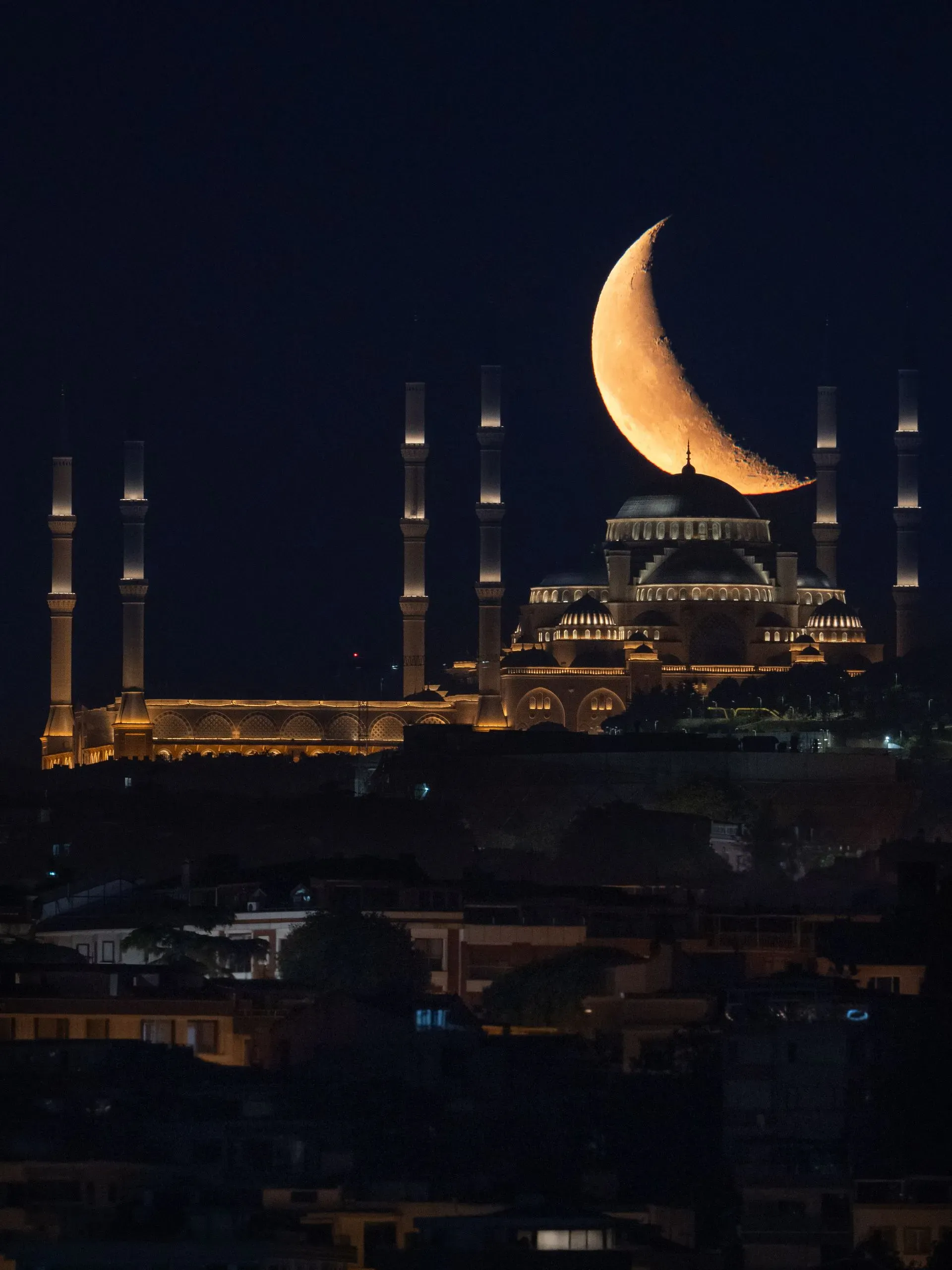
The four sacred months are Muharram, Rajab, Dhul-Qidah and Dhul-Hijjah. Their special status is mentioned in the Quran, and they are meant to be treated with particular respect.
Muharram is the first month of the year. It’s also the month that includes Ashura, the 10th of Muharram. Voluntary fasting on Ashura is an established practice.
Rajab is the seventh month of the Hijri calendar. It’s one of the four sacred months, so its importance comes from that status itself. There are no specific prayers or special rituals prescribed only for Rajab, despite some practices that have become common in different cultures. It’s better understood as a month in which Muslims remain conscious of its sacred status and avoid treating it like an ordinary month.
Dhul-Qidah is the eleventh month and has a slightly different connection with Islamic history. It was traditionally a month of peace in which fighting was prohibited. The name itself is linked to the idea of sitting back or refraining from fighting. It also comes just before Dhul-Hijjah, the month of Hajj, and was historically connected with the period when people prepared for pilgrimage.
Dhul-Hijjah comes later in the year and is probably the easiest month to recognise because it is connected with Hajj. The first ten days are especially important, followed by the Day of Arafah and Eid al-Adha.
So while the four months share the same sacred status, each one has its own place in the Islamic calendar. Muharram is associated with the beginning of the Hijri year and Ashura, Rajab with its position as a sacred month, Dhul-Qidah with a traditional period of peace and preparation for pilgrimage, and Dhul-Hijjah with Hajj, Arafah and Eid al-Adha.
The Months Before and After Ramadan
Then there’s Sha’ban. It’s the eighth month and comes directly before Ramadan. For many Muslims, it’s a natural time to start getting back into better routines before Ramadan begins. Prayer, Quran reading, charity and other acts of worship may need a little more attention.
Ramadan itself is the ninth month. This is the month of obligatory fasting for eligible Muslims. But fasting is obviously not the only focus. There’s also increased prayer, Quran recitation, charity and an effort to become more disciplined in everyday life. The last ten nights are especially important because Laylat al-Qadr occurs during Ramadan.
Then comes Shawwal. The month begins with Eid al-Fitr, after which normal routines gradually return. Six voluntary fasts during Shawwal are also a well-known practice.
Rabi al-Awwal and Islamic History
Not every important month is connected to one particular act of worship. Some are better understood through Islamic history. The third month, rabi al awwal, is closely associated with the life of Prophet Muhammad ﷺ. It’s therefore a time when many Muslims take an interest in the Seerah, read about his life and reflect on his character and the way he dealt with people. And there’s plenty to learn there. Patience. Honesty. Mercy. Keeping promises. Dealing with hardship without losing faith. These aren’t lessons that only belong in a history book.
Why the Hijri Calendar Still Matters
With phones, calendars and work schedules all using Gregorian dates, it’s easy to forget about the Hijri calendar until Ramadan or Eid comes around. A basic understanding of it is still useful. It helps make sense of when Islamic occasions occur and why their dates change every year. It also makes it easier to explain Islamic history to children. Instead of saying that a particular event happened on an isolated date, the Hijri calendar gives that event a place within the wider Islamic year.
There’s also a small complication worth knowing about. The beginning of a Hijri month can vary depending on how the new moon is determined. Some communities rely on physical moon sighting, while others follow calculated calendars. So two calendars can occasionally show different dates. That doesn’t necessarily mean one of them is wrong. The method being used matters.
The Hijri calendar is, at its core, a lunar way of keeping track of time. But it also keeps Islamic history and worship connected to the passing of the year. Once the basics are understood, the dates stop feeling like something separate from everyday life. They start to have context and that makes the calendar much easier to follow.