Maintaining year-round climate control in East Tennessee requires a robust heating and air conditioning system capable of shifting seamlessly between hot summer cooling demands and cold winter heating cycles. Residential properties throughout McMinn County depend on efficient HVAC systems to maintain indoor comfort, regulate indoor humidity levels, and preserve clean indoor air quality for living areas. When mechanical components wear down or unexpected system failure occurs, securing reliable technical service quickly becomes essential for protecting household comfort and preventing secondary property damage.
Understanding the Dual Demands on Modern HVAC Systems
Heat pumps and split-system HVAC units operate year-round, making them among the most heavily utilized mechanical assets in any modern home. During summer months, these systems extract indoor thermal energy and excess airborne moisture, discharging heat outside through refrigeration loops. In winter, heat pumps reverse their refrigeration flow to draw outdoor heat inside, supplementing with auxiliary electric heat strips during periods of extreme freezing weather.
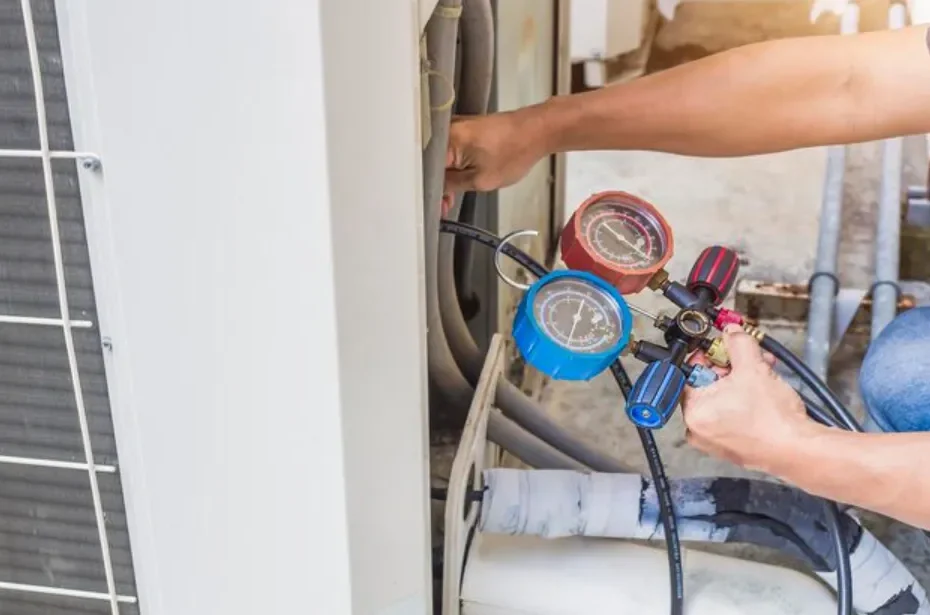
Because heating and cooling equipment operates continuously across all four seasons, mechanical wear accumulates month after month. Components such as blower motors, outdoor fan relays, run capacitors, expansion valves, and compressor contactor switches experience ongoing thermal and electrical stress. Without regular inspection and professional care, component wear can compromise overall system performance and lead to unexpected outages. Professional HVAC repair Etowah TN restores proper electrical balance, clears internal refrigerant restrictions, and optimizes overall system efficiency to ensure dependable year-round operational reliability.
Identifying Signs of Mechanical and Airflow Problems
Homeowners can prevent major system failures by monitoring daily operational performance and recognizing early warning signs of equipment degradation. Key indicators that your heating and cooling system requires professional diagnostic evaluation include:
- Weak Airflow From Vents: Reduced air velocity from supply registers often signals dirty air filters, failing blower motors, or severe ductwork disconnections within crawlspaces, basements, or attics.
- Unusual Operational Sounds: Squealing, metallic rattling, or sharp chattering noises during system startup point to loose fan belts, failing motor bearings, or deteriorating electrical contactors.
- Persistent Indoor Humidity Issues: High indoor humidity during summer cooling indicates that the system is short-cycling or operating with incorrect refrigerant levels, preventing effective moisture condensation.
- Frequent System Short-Cycling: When heating or cooling units turn on and off rapidly without reaching thermostat setpoints, internal thermal overload switches or sensor failures are frequently responsible.
The Benefits of Regular Preventative Service Inspections
While responsive repair service corrects acute equipment failures, routine preventative maintenance is essential for avoiding unexpected breakdowns and controlling monthly energy costs. Bi-annual maintenance inspections performed in spring and autumn prepare your equipment for upcoming seasonal weather extremes before severe weather arrives.
During a preventative service visit, certified technicians clean indoor evaporator coils, wash outdoor condenser fins, flush condensate drain lines, inspect electrical connections, test safety controls, and verify exact refrigerant charges. Keeping coils and air filters clean improves system airflow, lowers electrical consumption, and prevents frozen evaporator coils or burnt-out compressor motors.
Choosing Energy-Efficient Replacement Equipment
When HVAC equipment reaches 12 to 15 years of operational service, frequent repairs and declining energy efficiency often make replacement the most practical long-term choice. Modern high-efficiency heating and cooling units feature variable-speed blower motors and multi-stage compressors that automatically adjust operational output to match real-time home thermal demand.
Upgrading to an ENERGY STAR certified system significantly reduces electricity usage, cuts monthly utility bills, and provides superior indoor temperature stability. Working with qualified HVAC contractors ensures that accurate Manual J heat load calculations are performed to size replacement equipment properly for your home’s layout, insulation levels, and total square footage.
Protecting Home Comfort and Equipment Lifespan
Investing in timely mechanical repairs and preventative maintenance safeguards your residential climate control infrastructure and extends equipment operating life. By working with experienced HVAC professionals who understand East Tennessee’s regional climate demands, homeowners enjoy reliable heating and cooling, improved indoor air quality, and lower utility costs throughout every season of the year.